
UGC Images Are a Marketplace Growth Lever
When marketplace founders think about conversion, they usually go to the same places. Landing pages, funnels, pricing, product marketing. These things matter, and most teams have already squeezed a lot out of them.
But there is one lever that barely anyone has touched, and new research from Harvard Business School
shows it is worth a serious look: how visually distinctive your listings are compared to everything else on the page.
The Research Is More Nuanced Than “Better Photos”
Researchers analyzed nearly 482,000 Airbnb property images across New York City, collected over 13 months. Using a machine learning model built to assess visual uniqueness at the pixel level, they scored every image on how distinct it looked relative to others on the platform. Then they mapped those scores against actual booking demand.
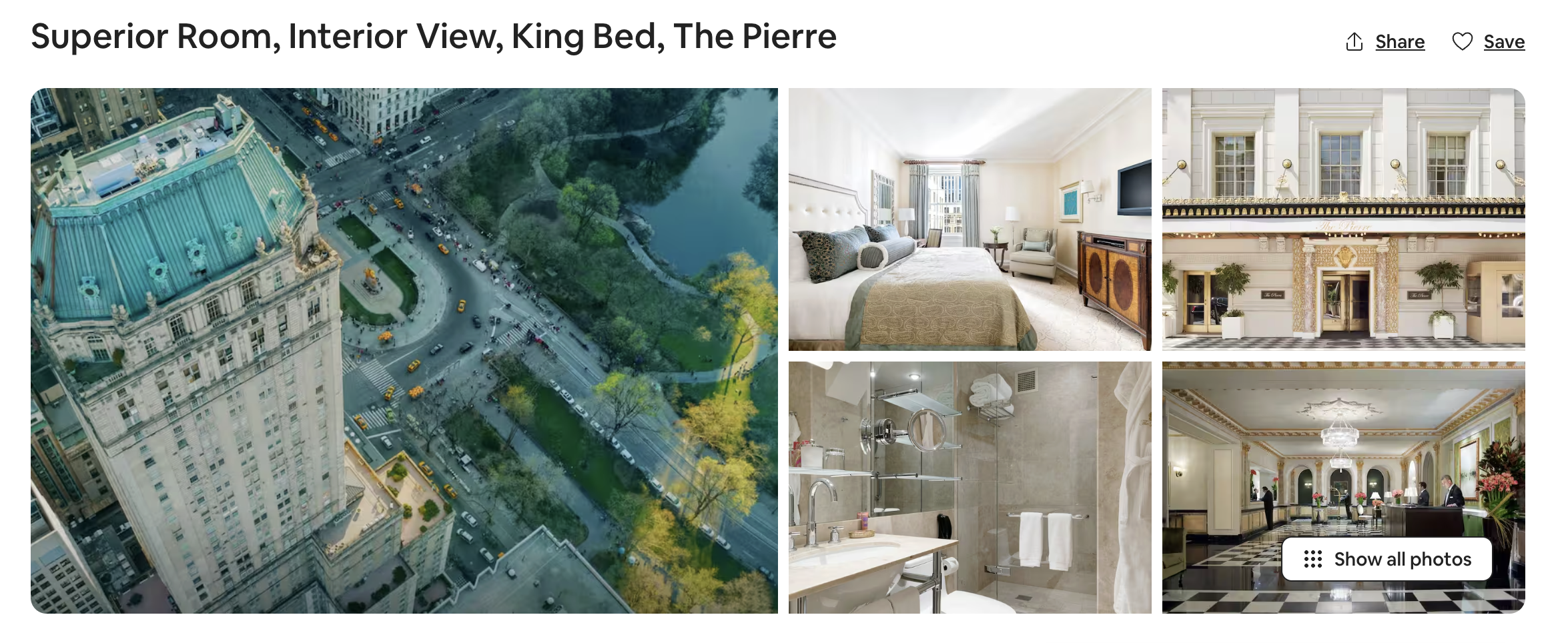
Listings that lead with clear, well-composed images immediately communicate quality and context, helping users decide faster and with more confidence. (Image source: airbnb.com)
The pattern was consistent. Listings with photos that looked too similar to everything else saw lower occupancy. But listings with photos that looked too unusual also saw demand fall off, because at a certain point, distinctiveness creates uncertainty rather than appeal.
The optimal point sits in the middle, and reaching it can mean thousands of dollars more per year for a single provider.
Importantly, this is not about photo quality. Whether an image was technically well-shot turned out to be a weak predictor of buyer attention on its own. What moved the needle was how a listing looked relative to its neighbors on the platform, not how polished it looked in isolation.
The Dynamic Plays Out Across Every Two-Sided Marketplace
Airbnb makes for good research conditions because the dataset is large and the demand signal is unambiguous. But the same tension shows up wherever providers use images to attract buyers.
On a job board, a candidate profile that looks identical to the 50 around it gives a recruiter no reason to pause. One with a genuine photo, or an accomplishment framed in a way others do not bother to frame it, earns that extra second of attention.
On a home services platform, the provider with three generic photos and a standard bio disappears into the grid. The one who shows an actual job in progress, or a real before and after, reads as someone worth clicking on.
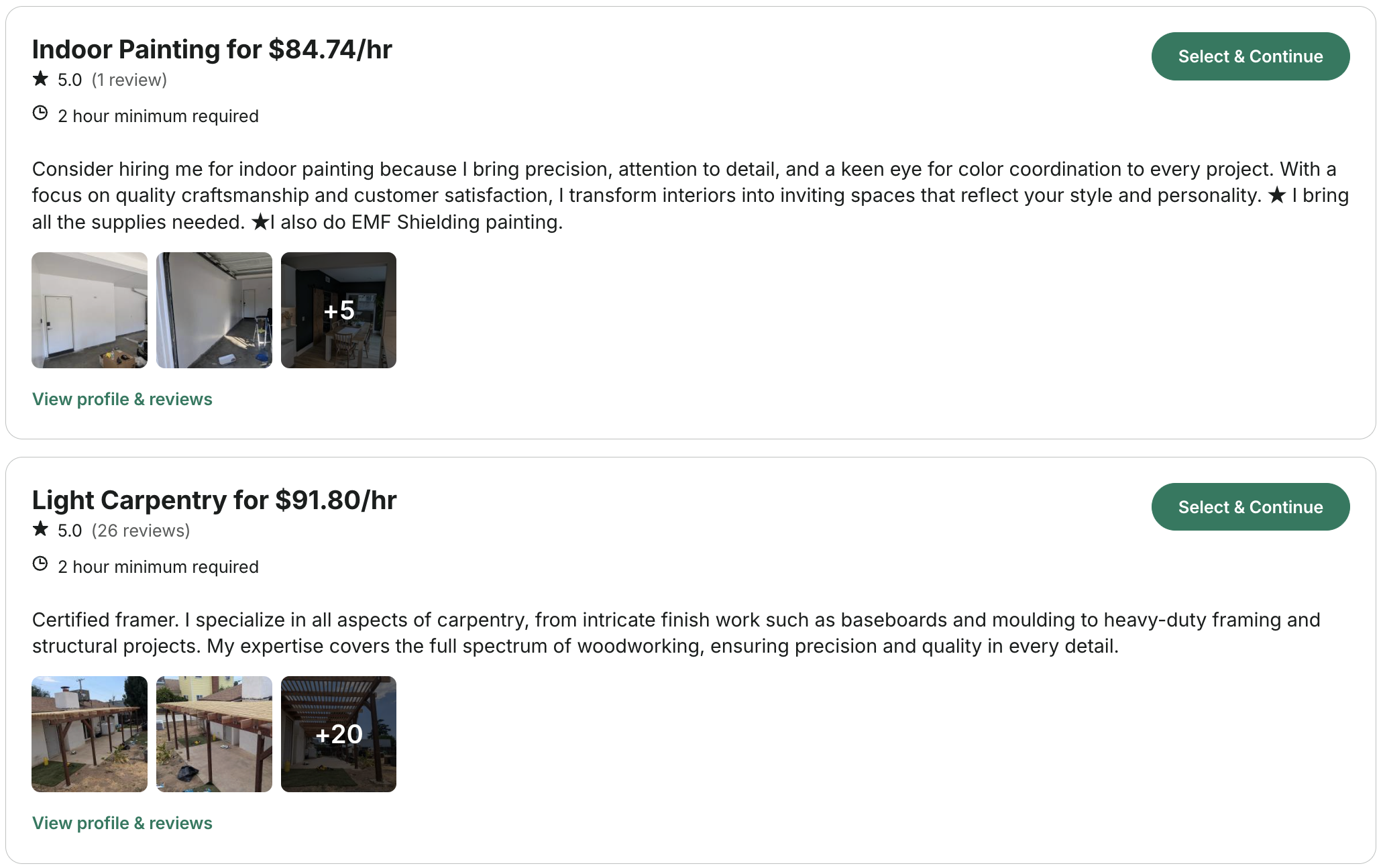
Real, in-context job photos signal credibility and reduce uncertainty more effectively than polished but generic images. (Image source: taskrabbit.com)
The same logic applies across clinic directories, tutoring platforms, creative services, venue booking tools, and freelance marketplaces.
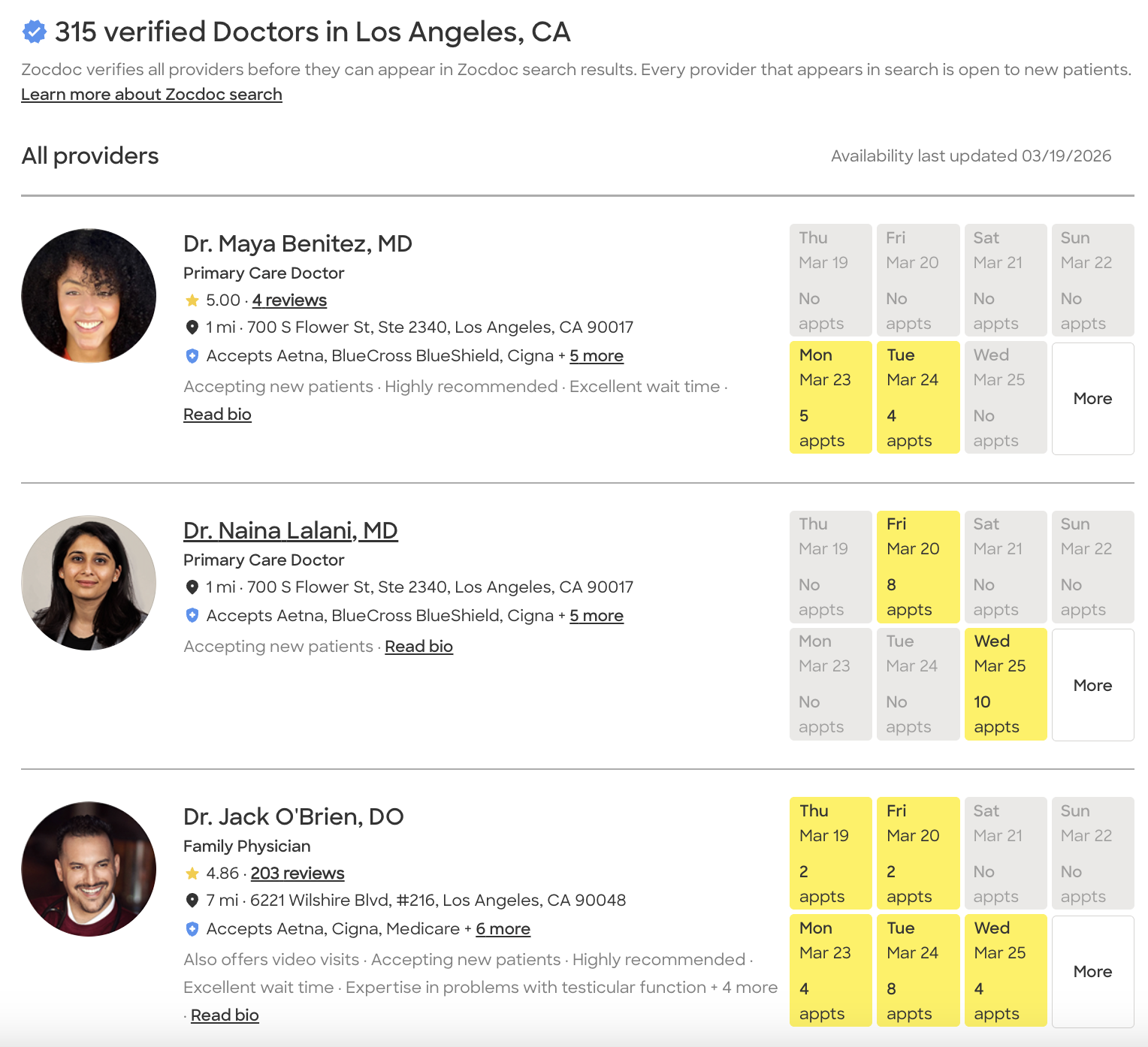
In high-trust categories, clear and professional imagery reinforces credibility alongside reviews and credentials. (Image source: zocdoc.com)
Reviews and Response Time Are Part of the Image Equation
Two factors consistently amplified the upside of distinctive images: a high overall rating and a fast response rate.

A strong, relevant profile image helps humanize the provider and makes expertise feel more accessible. (Image source: wyzant.com)
Without those signals, unusual images raise questions that never get resolved.
A provider whose listing stands out visually but replies slowly is doing half the job. The image earned the attention. The slow response lost the booking.
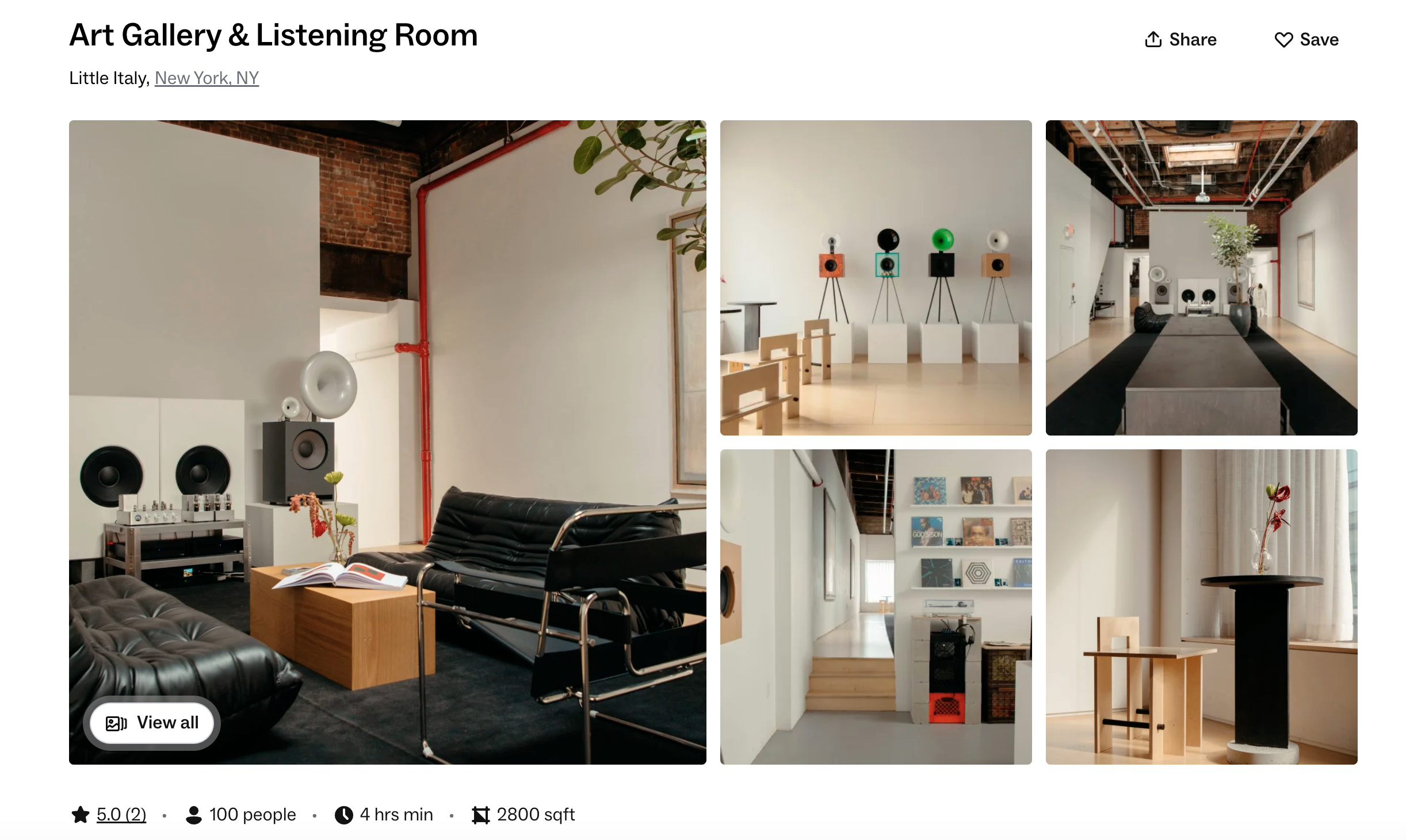
High-quality, context-rich images allow users to quickly imagine the experience, increasing engagement and booking intent. (Image source: peerspace.com)
Turning This Into Platform Strategy
- Show providers where they stand
- Prioritize the outliers
- Rethink recommendations
- Connect images to trust signals
Your Supply Is Already Telling a Story
Every image on your platform is sending a signal to every buyer who sees it.
The research gives operators a clear framework: help your supply stand out enough to earn the click, and make sure the trust is there to close it.
That combination is where the conversion gains are.